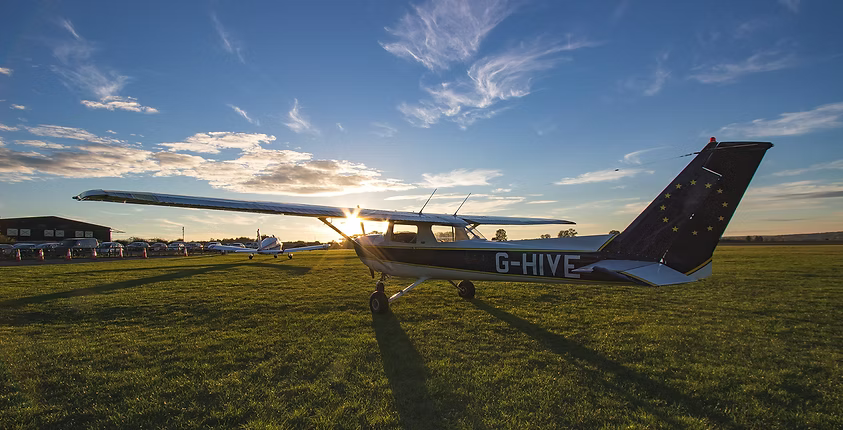
Looking for Flying Lessons Near Me? Here Are 10 Things You Should Know Before You Start
Beginning your journey into aviation starts with a simple search for flying lessons near me. If you live in the East of England or the Peterborough area and want to learn to fly uk, finding the right school makes all the difference. At Peterborough Flying School based at Sibson Aerodrome, we welcome everyone from absolute beginners to dedicated students working toward their Private Pilot's Licence (PPL).
Before you book your first session or purchase flight gear, it helps to understand what the process actually involves. Here are 10 essential things you should know before starting your flying lessons.
1. You Don't Need Prior Experience to Begin
Many prospective students worry they need some technical background before stepping into a cockpit. That is entirely incorrect.
Your journey into how to become a pilot uk starts from scratch. You do not need any prior aviation knowledge, physics degrees, or simulator experience. Every qualified private pilot started their very first lesson sitting in the left-hand seat wondering what all the instruments do. Your instructor guides you through every single switch, lever, and control.
2. Trial Flights Are Your Ideal First Step
Before committing thousands of pounds to a full PPL course, you should experience what flying actually feels like.
We offer introductory trial flights in 30-minute or 60-minute sessions with our experienced instructors. During a trial flight, you take the controls in mid-air under close supervision. It is also a fantastic gift option for aviation enthusiasts. These sessions give you a realistic feel for the aircraft, the airfield atmosphere, and our teaching style without any long-term pressure.

3. The Legal Minimum vs. Practical Flight Hours
Under UK Civil Aviation Authority (CAA) regulations, the absolute legal minimum training time for a PPL(A) is 40 hours.
However, looking at realistic practical averages, most student pilots actually require between 45 and 55 flight hours before they reach the standard required for their final skills test. Weather patterns, personal scheduling consistency, and individual learning pace all influence your total hours. Expecting 45 to 55 hours helps you budget accurately rather than planning strictly around the 40-hour legal floor.
4. Itemised Startup Costs and Realistic Budgeting
Learning to fly is an investment. It helps to break down the exact costs involved so you can plan your finances transparently:
- Hourly Aircraft & Instructor Rate: Typically ranges between £180 and £260 per hour depending on the aircraft type (such as a Cessna or Piper).
- Total Flight Training Cost: Based on 50 hours of flying, expect total flying costs to land between £9,000 and £13,000.
- Medical Examination: A CAA Class 2 medical certificate costs around £200–£300.
- Ground School & Study Materials: Books, online navigation tools, and flight computers cost roughly £200–£400.
- Examinations & Licences: Ground exam fees (£30–£50 per exam), radio licence practical test, and final flight skills test examiner fees add up to approximately £600–£900.
In total, completing your PPL in the UK realistically requires a total budget of £10,000 to £15,000, spread out over the months of your training.
5. Ground School and the 9 Written Exams
Flying an aircraft safely involves much more than handling the stick and throttle. You must also pass 9 theoretical knowledge examinations set by the CAA.
The subjects cover practical and safety-critical topics:
- Air Law
- Aircraft General Knowledge
- Flight Performance and Planning
- Human Performance
- Meteorology (weather systems and forecasting)
- Navigation
- Operational Procedures
- Principles of Flight
- Communications (coupled with your Flight Radiotelephony Operator's Licence)
You can study these subjects through self-study, online ground school courses, or briefings with your instructor.

6. Medical Requirements: Securing Your Class 2 Medical
Before you fly solo or take your final skills test, you must hold a valid Class 2 Medical Certificate.
This examination is conducted by an authorised Aeromedical Examiner (AME). It is essentially a comprehensive health screening checking your cardiovascular health, vision, hearing, and general fitness. Most healthy adults pass without issue. It is always wise to book your medical early in your training so there are no administrative delays when you reach the solo flight milestone.
7. Choosing the Right Location: Why Sibson Aerodrome?
When searching for flying lessons near me, the quality of your airfield environment matters enormously.
Operating out of Sibson Aerodrome near Peterborough offers an ideal balance. Unlike congested major commercial airports where you spend half your lesson idling on the ground waiting for runway clearance, Sibson provides efficient taxi times, a friendly community atmosphere, and varied airspace that builds real competence. Our experienced instructors provide dedicated, one-on-one mentorship in a welcoming environment where visitors can drop by and chat about aviation at any time.

8. Flexible Scheduling and Evening Flights
Learning to fly should fit around your existing career and family commitments. Many student pilots train while working full-time jobs.
To support flexible scheduling, we offer lessons seven days a week, including extended evening flights. During peak season, we remain open until 20:00 on Thursdays, allowing working professionals to complete evening sorties after office hours without taking time off work.
9. Weather Dependencies and Realistic Planning
Aviation is weather-dependent. Low cloud ceilings, strong crosswinds, fog, or heavy precipitation will occasionally force us to postpone a scheduled lesson.
We maintain an honest, safety-first approach to weather conditions. While cancellations can be frustrating, every flight hour you log is conducted in safe, productive conditions that build genuine piloting skills. Building schedule flexibility into your routine ensures weather delays do not derail your progress.
10. Beyond the PPL: Self-Hire and Future Adventures
Earning your Private Pilot's Licence is not just an endpoint; it is a gateway.
Once qualified, you gain access to our aircraft self-hire fleet. You can fly friends and family across the UK, take weekend trips to the coast, or build hours toward advanced ratings like night ratings or commercial training. Aviation opens up an entirely new dimension of personal travel and freedom.
Your Actionable Next Steps
Ready to turn your search for flying lessons near me into reality? Here is what you should do next:
- Book a Trial Flight: Experience the aircraft firsthand by booking a 30-minute or 60-minute trial lesson with our instructors.
- Visit Our Aerodrome: Drop by Peterborough Flying School at Sibson Aerodrome to meet the team, tour our facilities, and ask any questions in person.
- Plan Your Training Schedule: Decide whether you want to fly weekly or bi-weekly to establish a steady learning rhythm.
Ready to Take the Controls?
Book a trial flying lesson from Sibson Aerodrome and turn your aviation interest into real experience.